
This blog navigates…
Why can’t I stop overthinking?
Because the loop is trying to solve something that’s not solvable by thinking, and thinking is the only tool it has. Overthinking isn’t a thinking problem, it’s a nervous system doing threat detection after the adrenaline has dropped, which is why it turns up at night and why it gets louder when you argue with it. What reliably shortens it’s recognition rather than debate: naming the loop as a loop, and putting the thought somewhere you can see it.
A few years ago I had a great night out.
Dinner with close friends, good conversation, the sort of evening you drive home from glad you went. Then I lay down, and it started.
Was that too much. Did I push too hard. Did I say something that landed wrong.
Within an hour it was physical. Tight chest, short breath, and total conviction that I had damaged the relationships I valued most.
Nothing had happened. The dinner was fine.
Why it starts after something goes well
This is the part that confuses people most, and it’s the most reliable clue to what’s actually happening.
The loop tends to arrive after events you cared about, not after events that went badly. That’s because the adrenaline that carried you through drops afterwards, and the nervous system goes back over the ground looking for anything it might have missed.
It’s not evidence that you did something wrong. It’s evidence that it mattered to you.
Why arguing with it doesn’t work
The instinct is to answer the thought. Prove it wrong, find the evidence, settle the question.
It never settles. You’ve all been here: you resolve one thought and it produces the next, and an hour later you’re somewhere entirely different and no calmer. That’s because the loop isn’t actually asking a question. It’s running a process, and supplying answers keeps the process fed.
It’s also why “just stop thinking about it” is such useless advice. You can’t decide your way out of a nervous system state.
What does help, and why
Name the loop while it’s running. Not to argue with it. Just to establish that what’s happening is a familiar pattern rather than accurate information about your evening.
I use two words. Not this. Quietly, when it starts. It’s recognition rather than denial, and it moves you from inside the loop to looking at it, which are two different positions. It doesn’t stop the feeling. It reliably shortens the gap between the trigger and the recognition, and that gap is where the choice lives.
Write the thought down and read it in the morning. This one costs nothing and works better than almost anything else I know. The 2am version and the 7am version of the same thought are rarely the same size, and you cannot learn that without the evidence. Half of what terrorises you in your head looks flimsy in ink. The same principle sits behind journalling.
Give it a container. If you want a number rather than a feeling, the DASS-21 takes three minutes. Fifteen minutes, same time each day, where you’re allowed to think about it properly. Sounds ridiculous. Works surprisingly often, because a lot of the urgency is the nervous system insisting it will be forgotten.
Move. Not as a metaphor. The state is physical before it’s mental, and a walk changes the physical conditions faster than any amount of reasoning. It doesn’t have to be exercise. It has to be movement.
Check what it’s protecting. Hypervigilance is nearly always guarding something you care about. Naming what usually reduces the volume more than arguing with the content does.
What to watch in yourself
The people I see are rarely surprised that they overthink. What surprises them is what it has quietly cost.
Decisions deferred because you can’t get to certain. Conversations rehearsed so many times you never have them. A partner getting the tired, distracted version of you every evening while the loop takes the rest. Sleep that has become somewhere you go to think.
None of that shows up as a crisis. It shows up as a life that’s slightly smaller than it should be, and it accumulates.
The thing that actually changes it
Not the techniques, useful as they’re.
What changes it’s the relationship with the experience rather than the presence of it. The alarm still goes off. What stops is you believing every threat it announces.
I still get the loop. It arrives less often, it goes quicker, and it no longer runs the following day. That took time and it was unglamorous, and the version where you find one trick and it stops doesn’t exist.
Simple, not easy. But it moves.
Do the work
- Name it while it’s running. Two words. Not this. Recognition rather than argument.
- Write the thought down instead of following it. Then read it back in the morning and note the difference in size.
- Give it fifteen minutes a day. A container reduces the urgency more than suppression does.
- Move before you reason. The state is physical first. A walk changes conditions faster than logic does.
- Ask what it’s protecting. The loop is nearly always guarding something you care about. Naming it lowers the volume.
This week: the next time the loop starts, write the thought down instead of following it. Read it back the next morning.
Frequently asked questions
Why can’t I stop overthinking?
Because the loop isn’t asking a question it wants answered, it’s running a process, and supplying answers keeps it fed. It’s closer to a nervous system state than a thinking problem, which is why deciding to stop doesn’t work.
Why does overthinking get worse at night?
The adrenaline that carried you through the day drops, and the nervous system goes back over the ground looking for anything it missed. It tends to follow events you cared about rather than events that went badly.
Does writing things down actually help?
Yes, and the mechanism is simple. Thoughts move faster than understanding, and thoughts moving too quickly to examine get believed rather than questioned. Writing forces them into single file where you can look at them.
What is the fastest thing that works in the moment?
Naming it as a loop rather than arguing with the content, and then moving. The state is physical before it’s mental, so changing the physical conditions works faster than reasoning does.
Will overthinking ever go away completely?
For most people the alarm keeps firing. What changes is that it stops being the loudest thing in the room and stops running the following day. That’s a considerably more realistic goal than silence.
When should I get help with it?
If it’s affecting your sleep, your work or your relationships, or if it has been constant for weeks rather than turning up occasionally. A GP is a reasonable first call and costs you one appointment.
If you need support now
If you are worried someone may be monitoring the websites you visit, consider browsing safely.
Solid Foundations Counselling is not a crisis service. If you or someone you know needs immediate help, contact one of the following.
- Triple Zero on 000
- 1800RESPECT on 1800 737 732, 24 hours, any gender, family and sexual violence
- MensLine Australia on 1300 78 99 78, 24 hours
- Full Stop Australia on 1800 385 578, 24 hours, trauma counselling for people of all genders
- Lifeline on 13 11 14, or text 0477 13 11 14
- Suicide Call Back Service on 1300 659 467
- 13YARN on 13 92 76, 24 hours, for Aboriginal and Torres Strait Islander people
- No to Violence, Men’s Referral Service on 1300 766 491, for men concerned about their own behaviour
- Family Drug and Gambling Help on 1300 660 068, 24 hours
Where to start
If you recognise the loop and you’re ready to look at it with somebody, I offer a free fifteen minute introductory call. No cost, no pressure, no obligation.
Related reading
About the author
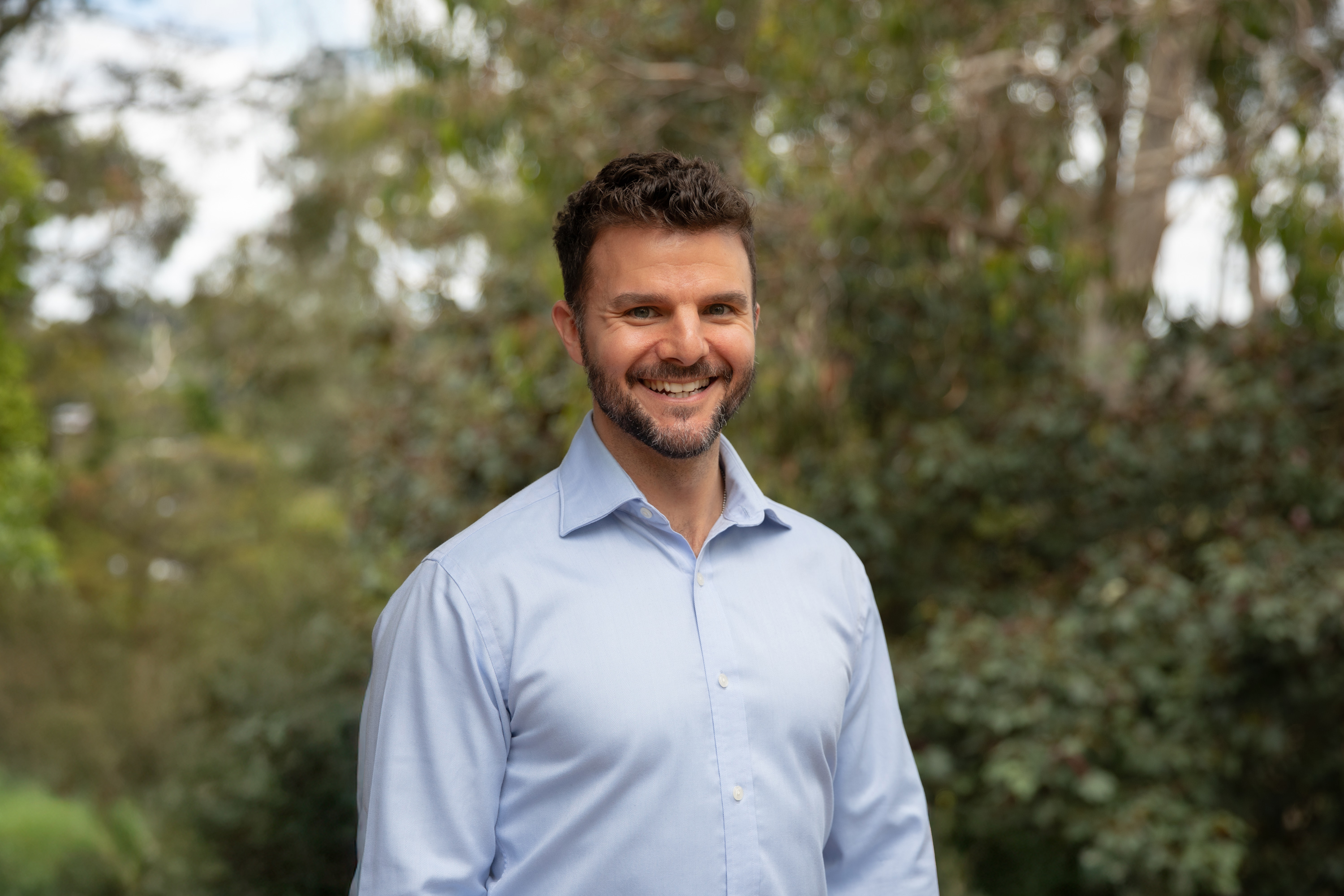
Sean draws on over 20 years professional experience in high performance, safety-critical industries when supporting clients through life’s challenges.
His approach focuses on helping others rebuild their own foundations and navigate successfully towards meaningful progress.