
This blog navigates…
What does it feel like when therapy starts working?
Usually not like relief and rarely like a moment. It feels like options becoming obvious rather than overwhelming, and like a quiet confidence in what you’re standing on rather than in what’s about to happen. The alarm still goes off. What changes is that it stops being the loudest thing in the room, and setbacks stop reading as evidence that none of it worked.
A while back I published a piece about what anxiety feels like from the inside. The 2am loop. The post-conversation audit. The alarm that fires when nothing is wrong.
This is the other half of the story.
Because the point of the work isn’t to describe the hard parts more accurately. The point is that something else becomes available. And I want to describe what that something else actually feels like, because most people have never had it named for them.
The moment on the pitch
Anyone who has played sport knows the moment. You receive the ball in space, with time. The noise of the crowd fades. The options in front of you become obvious rather than overwhelming. You take on the defender, or you play the pass, and it lands exactly where you intended.
Effortless is the wrong word. It takes everything you’ve. But nothing is wasted.
For a long time I thought those moments were luck. Something that happened to you on a good day. What I’ve come to understand, through my own recovery and through years of working with people rebuilding their lives, is that this state has a source. And the source is buildable.
The foundation
The source is a foundation. A base of self-knowledge that has been tested, challenged, and proven under load.
When your default position has withstood real adversity, something changes in how you meet new challenges. There’s a quiet confidence underneath everything, not because you know what’s coming, but because you know what you’re standing on. Whatever happens next, the ground holds.
Every experience can add a layer to that foundation. The wins, obviously. But also the failures, the wrong turns, the relationships that ended, the plans that collapsed. All of it becomes structural, on one condition: that you do the work of reflecting on it. Awareness of the foundation. Curiosity about what can be added. The humility to admit when part of it’s no longer fit for purpose, and the willingness to rebuild that section rather than defend it.
Without that work, hard experiences just accumulate as weight. With it, they become load-bearing.
The speed bump principle
Here’s the part I want every man I work with to hear.
Even on the right path, with good intentions and genuine effort, you’ll hit a speed bump. Sometimes a significant one. Something that threatens to undo the progress and shake the foundation you’ve been building.
Those moments feel like evidence that the work isn’t working. They are the opposite. They are the load test.
The adversity gets met by the resilience you’ve built. And here’s what I’ve noticed, in my own life and in the people I work with: what happens after you hit a speed bump is that you accelerate. The recovery is faster than it used to be. The confidence afterwards is deeper. The foundation is stronger for having been tested.
Not perfect. Better. That’s the whole aim. Better.
One more thing
Part of building the foundation is a step most people avoid for years: admitting where you were wrong.
A business decision. A relationship. A falling out. At some point you’ve to swallow your pride and feel it properly: I was wrong, and at least part of that was mine.
The moment you accept that, it stops having power over you. It becomes a lesson learned, another layer on the foundation, and you move forward lighter than you arrived.
Then you keep moving forward.
It’s not a coincidence that I named my practice Solid Foundations. This is the work. If you’re ready to start building, the call to action is below.
Do the work
- Notice one moment where the options were obvious. They happen more often than you think and almost nobody registers them, because we only audit the bad days.
- Treat your setbacks as data rather than verdicts. A speed bump on the right road is still the right road. The interpretation is what does the damage, not the bump.
- Reflect on the hard ones deliberately. Experience only becomes load-bearing if you actually go back over it. Without that it just accumulates as weight.
- Identify one part of the foundation that is no longer fit for purpose. Everybody has one. The willingness to rebuild that section rather than defend it is where most of the progress lives.
- Keep a record. You cannot argue with your own archive, and six months from now you will need the evidence that the last thing passed.
This week: write down one thing you were certain would break you a year ago, and where it sits now.
Frequently asked questions
What does it feel like when the work starts working?
Options become obvious rather than overwhelming, and there’s a quiet steadiness underneath that doesn’t depend on knowing what’s coming. It’s rarely a single moment and rarely announces itself.
How do I know if counselling is actually working?
The usual early signs are practical rather than emotional. A shorter gap between a trigger and recognising it. Fewer decisions made in reaction. Situations that would have ruined a week costing you an afternoon instead.
Does the anxiety go away?
The alarm generally still fires. What changes is the relationship with it. You stop believing every threat it announces, and it stops being the loudest thing in the room.
Why do I still get setbacks if I have been doing the work?
Because progress isn’t linear and never has been. A setback on the right path is still the right path. The damage is done by the interpretation, which is usually that the setback proves none of it counted.
How long does it take?
Longer than anyone wants and less time than most people fear. It depends on what you’re carrying, how long you’ve carried it, and how consistently you do the unglamorous parts. Anyone offering you a timeframe is guessing.
Can you build this without a counsellor?
Plenty of people do. Reflection, writing, honest conversations and time will get most people a long way. Having somebody else in it tends to make it faster and less lonely, particularly at the parts you’d rather avoid.
Where to start
If you’ve been doing the work and want to talk about what comes next, I offer a free introductory call. No cost, no pressure, no obligation. Click the banner above or get in touch on 0422967392.
Related reading
About the author
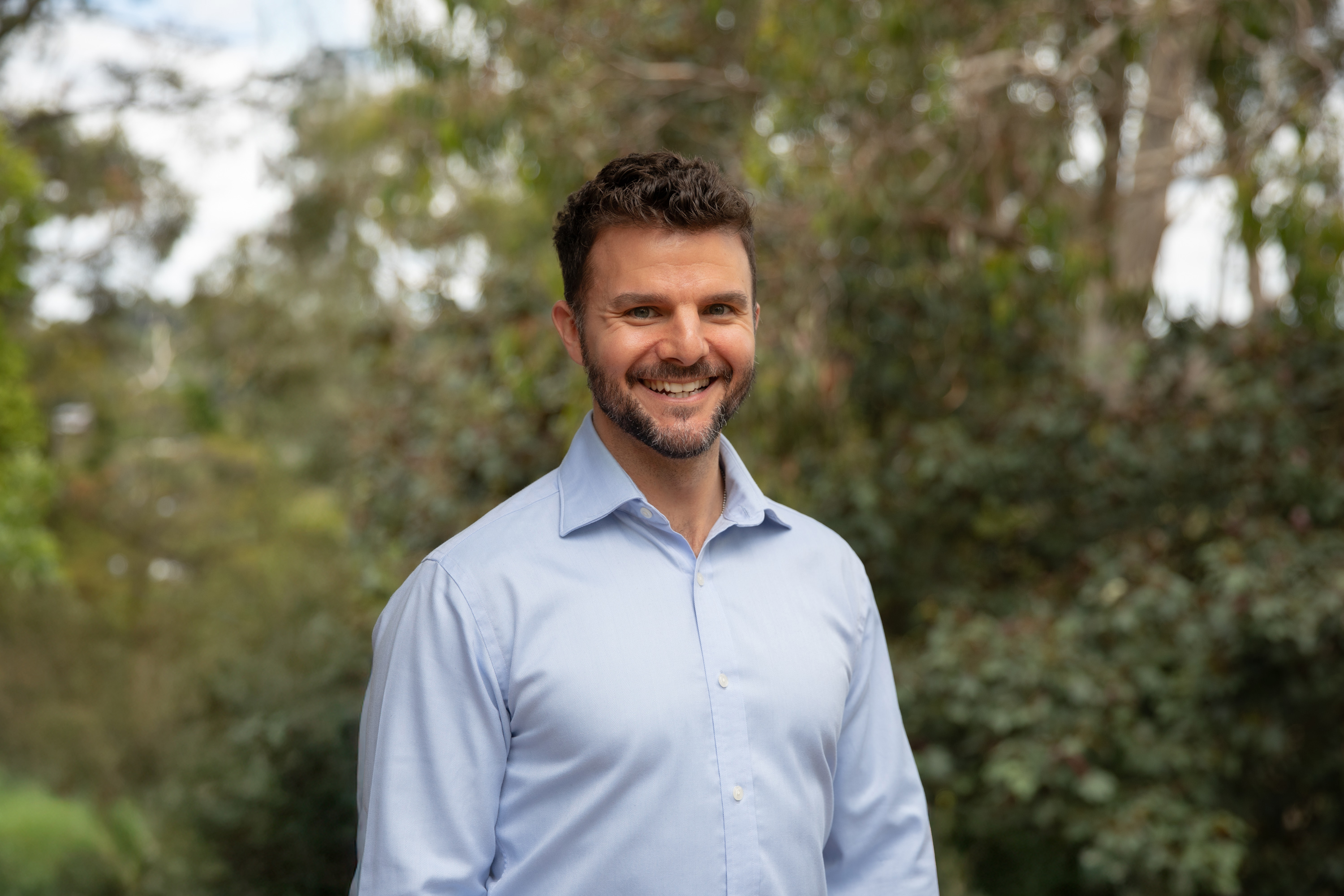
Sean draws on over 20 years professional experience in high performance, safety-critical industries when supporting clients through life’s challenges.
His approach focuses on helping others rebuild their own foundations and navigate successfully towards meaningful progress.