
This blog navigates…
How your childhood is still running your adult life
Mostly through patterns rather than memories. What you learned early about whether it was safe to need things, how conflict went, and what earned approval becomes the default setting you carry into adult relationships and work, usually without ever choosing it. That’s not destiny and it’s not an excuse. It’s a playbook you inherited, and playbooks can be rewritten once you can actually read the one you’re running.
For a significant part of my adult life I was running off a playbook I had never consciously chosen.
Not one I sat down and decided on. One I absorbed, the way everybody does, from watching how the adults around me handled things long before I had any capacity to evaluate whether it was working.
By the time I noticed, it had already cost me a marriage.
How this actually works
People hear “childhood” and expect a conversation about memories. Most of the time this has very little to do with memories.
What you learned early wasn’t information. It was a set of defaults about how the world operates and what your job in it’s.
Whether it was safe to need things, or whether needing was inconvenient. How conflict went, and whether it ever resolved. What earned attention and approval, and what got you ignored. Whether emotion was something you could show or something you managed alone.
Those defaults get laid down before you’ve any say in the matter, and then they run. Quietly, automatically, for decades, in situations that have nothing to do with where they came from.
What it looks like in adults
Not as childhood issues. That’s why it goes unrecognised for so long.
It looks like a man who can’t ask for help and doesn’t know why the request won’t come out of his mouth.
It looks like someone who’s fine until there’s conflict and then goes completely flat, because in the house they grew up in conflict meant something bad was about to happen and going quiet was the survival strategy.
It looks like someone who’s exceptional at reading the room, exhausting themselves managing everyone else’s mood, and can’t tell you what they want for dinner.
It looks like achievement that never lands. You hit the thing, and there’s about forty minutes of relief, and then you’re looking for the next one, because the underlying arrangement was that you’re worth something when you’re producing.
None of those people would describe their childhood as the issue. Most would tell you it was fine, and most of them would be telling the truth as they understand it.
The part I want to be careful about
This isn’t an invitation to build a case against your parents.
Most people did roughly what they knew how to do with what they had, and many of them were running their own inherited playbook without ever seeing it either. Some had far less to work with than you’d guess.
And for some people it was genuinely bad. If that’s you, I’m not going to soften it, and what unresolved trauma does over time is worth reading alongside this, and pretending otherwise would be useless to you.
But the useful question isn’t whose fault it’s. The useful question is what you’re still doing about it, because that’s the only part currently within reach. You can hold two things at once: this wasn’t my responsibility, and what I do from here’s mine to own. Those aren’t contradictory, and the second only becomes properly available once the first is genuinely accepted.
How to read your own playbook
You can’t see a pattern you’re standing inside, so you’ve to work backwards from evidence.
Watch your reaction, not the situation. When something lands far harder than it warrants, that’s the tell. The size of the reaction is about the pattern rather than the event.
Find the sentence. Under most of these there’s a belief phrased as a fact. If I need something I become a burden. If I stop achieving I stop mattering. If I say what I want it will be used against me. Say it out loud and it usually sounds absurd, which is the point, because you’ve never once said it out loud.
Ask where you learned it. Not to allocate blame. To establish that it was learned rather than true.
Notice what you’re recreating. People reproduce the emotional conditions they grew up in with unnerving accuracy, including the uncomfortable ones. Familiar and good aren’t the same thing, and the nervous system prefers familiar.
Watch what you’re handing on. For a lot of the men I work with, this is the sentence that finally moves them when nothing about their own wellbeing ever did. Your kids are learning what normal looks like from whatever is currently in front of them. Breaking a family pattern usually starts here.
What actually changes it
Not insight on its own. Plenty of people can describe their patterns in impressive detail and continue running them without interruption.
What changes it’s catching one, once, in the moment, and doing something different. Small. Unglamorous. Once.
Then again. That’s the whole mechanism, and it’s far less dramatic than people expect.
Nothing changes if nothing changes. But it does change.
Do the work
- Watch the size of your reactions. When something lands harder than it warrants, that’s the pattern, not the event.
- Find the sentence underneath. A belief phrased as a fact. Write it down and read it back.
- Establish that it was learned rather than true. Ask where it came from, not whose fault it’s.
- Notice what feels familiar rather than what feels good. Those are different things and the nervous system prefers the first.
- Catch one, once, and do something different. Small and unglamorous beats insight every time.
This week: write down one sentence you’ve been living by that you’ve never said out loud.
Frequently asked questions
How do childhood experiences affect adulthood?
Mostly through defaults rather than memories. What you learned early about whether it was safe to need things, how conflict resolved, and what earned approval becomes an automatic setting you carry into adult relationships and work.
Does this mean I’ve to blame my parents?
No, and building a case is generally not the useful move. Most people did roughly what they knew how to do. What matters practically is what you’re still doing with it, because that’s the only part currently within your reach.
What if my childhood was fine?
Plenty of people with unremarkable childhoods carry unhelpful defaults, because these get absorbed from ordinary things rather than only from bad ones. “Fine” and “no patterns” aren’t the same thing.
Why do I keep ending up in the same situations?
Because the nervous system prefers familiar to good, and people reproduce the emotional conditions they grew up in with considerable accuracy. Recognising it’s what interrupts it.
Can these patterns actually change?
Yes, though not through insight alone. What changes them is catching one in the moment and responding differently, repeatedly. It’s slower and duller than people expect and it works.
When should I get help with this?
If the same situation keeps recurring and you can’t interrupt it, if you’ve identified a pattern and can’t shift it alone, or if what you’re looking at involves genuine harm rather than ordinary imperfection.
If you need support now
If you are worried someone may be monitoring the websites you visit, consider browsing safely.
Solid Foundations Counselling is not a crisis service. If you or someone you know needs immediate help, contact one of the following.
- Triple Zero on 000
- 1800RESPECT on 1800 737 732, 24 hours, any gender, family and sexual violence
- MensLine Australia on 1300 78 99 78, 24 hours
- Full Stop Australia on 1800 385 578, 24 hours, trauma counselling for people of all genders
- Lifeline on 13 11 14, or text 0477 13 11 14
- Suicide Call Back Service on 1300 659 467
- 13YARN on 13 92 76, 24 hours, for Aboriginal and Torres Strait Islander people
- No to Violence, Men’s Referral Service on 1300 766 491, for men concerned about their own behaviour
- Family Drug and Gambling Help on 1300 660 068, 24 hours
Where to start
If you’ve recognised a pattern and want help reading the rest of it, I offer a free fifteen minute introductory call. No cost, no pressure, no obligation.
Related reading
About the author
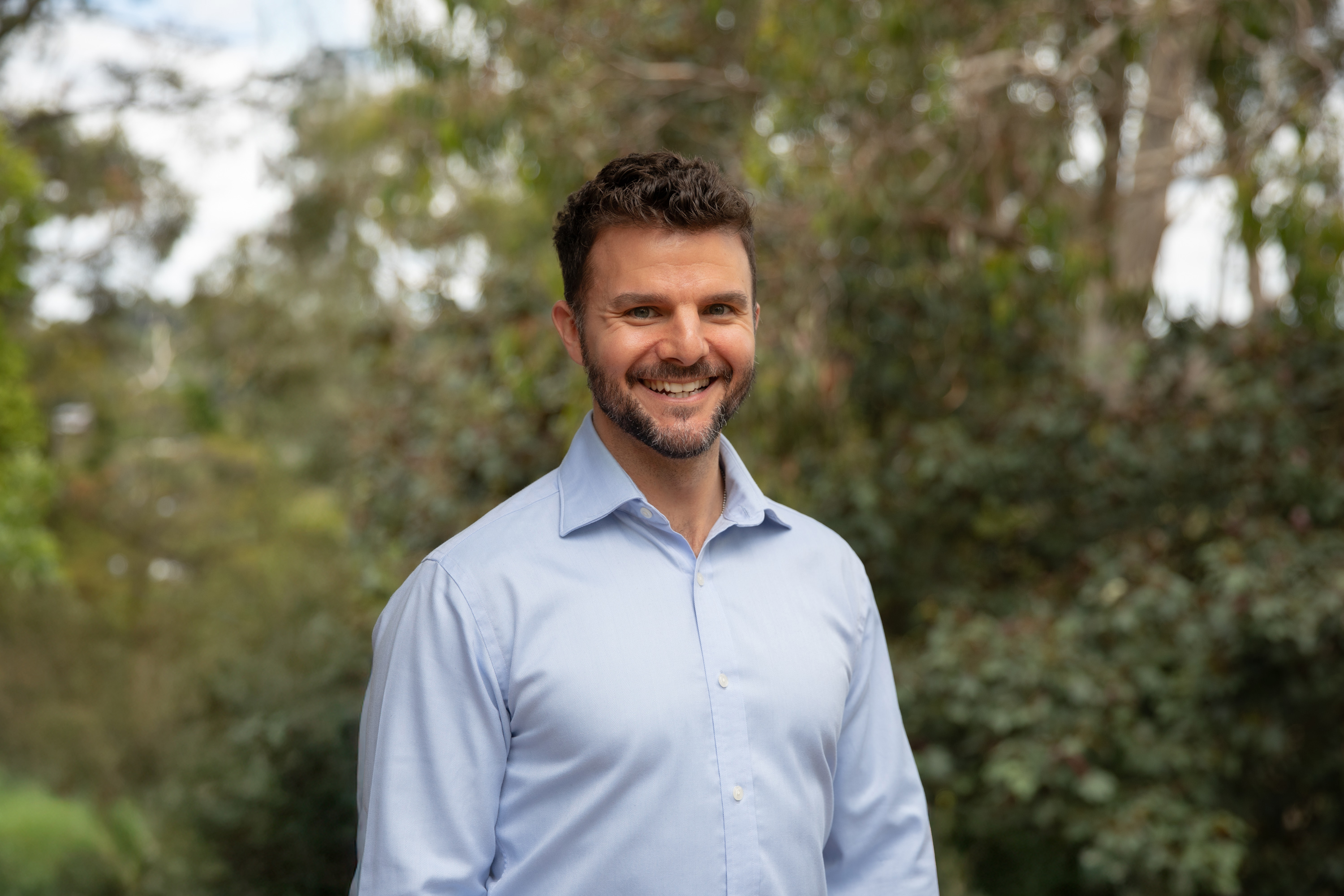
Sean draws on over 20 years professional experience in high performance, safety-critical industries when supporting clients through life’s challenges.
His approach focuses on helping others rebuild their own foundations and navigate successfully towards meaningful progress.