
The long-term impact of unresolved trauma
It doesn’t stay where you left it. Unresolved trauma tends to show up years later as things that look unrelated: a nervous system that won’t settle, reactions out of proportion to the situation, sleep that never fully restores, and relationships that keep hitting the same wall. It’s not a memory problem, it’s the body continuing to run a protective setting long after the thing it was protecting you from has finished.
I’ve rebuilt a ruptured Achilles. I’ve rebuilt a hand a surgeon told me would never do a push up again.
The healing on the things nobody could see was more complicated and went on considerably longer than either, and given the state some of my body has been in, that’s saying something.
That surprised me at the time. It shouldn’t have.
Why it doesn’t just fade
The intuition most of us carry is that time handles it. Enough distance and it wears down, the way a physical injury does.
That’s not what happens, and the reason is worth understanding.
What we call trauma isn’t really the event. It’s what the nervous system learned during the event and never got the chance to unlearn. In the moment it made a protective adjustment, which was appropriate and possibly kept you functional. The problem is that nobody switched it off afterwards, so it kept running into circumstances that no longer needed it.
That’s why it doesn’t respond to reasoning. You can know with complete clarity that you’re safe now and still have a body operating as though you’re not. Those two things run on different systems.
What it looks like years later
Almost never as a memory. That’s the part that keeps people from recognising it.
A nervous system that won’t come down. Wound up with no obvious reason. Startling too easily. Unable to sit still in a quiet room without something on.
Reactions out of proportion. Something small happens and the response is enormous, and afterwards you can’t account for it. The size is about the old thing, not the current one.
Fatigue that sleep doesn’t fix. Running a protective setting continuously is expensive. People describe it as tiredness attached to the soul, and that’s a fair description.
The same wall in every relationship. Getting close to a point and then a shutter comes down, and it comes down before you’ve decided anything.
Avoidance you’ve stopped noticing. Routes you don’t take, conversations you don’t start, subjects that have quietly become unavailable. Most people have organised their lives around theirs so smoothly they would describe it as preference.
Physical symptoms with no clear cause. Gut, jaw, shoulders, headaches. Worth saying clearly: get those checked by a GP rather than assuming, and if the picture also includes low mood, the signs are here. Sometimes it’s the body carrying something. Sometimes it’s something else, and you want to know which.
Betrayal, and why it lands differently
Not all of this comes from single dramatic events. A great deal of what I see comes from betrayal by people who were supposed to be safe.
That version does something specific. It doesn’t only damage your trust in that person. It damages your confidence in your own judgement, because you’ve to account for how you missed it, and the account you reach for is usually that there’s something wrong with your read on people.
Then you carry that into everything afterwards. Second-guessing situations that don’t warrant it, or going the other way and refusing to rely on anyone.
That one took me the longest and it was the least visible from outside.
What actually helps
I’m not going to hand you a technique that resolves this, because there’s not one.
Stop expecting reasoning to work. It’s not a belief problem, which is also why arguing with an anxious loop doesn’t settle it. Arguing with it keeps you in your head while the thing you need to reach is somewhere else entirely.
Get the body into it. Sleep, movement, and enough regularity that the system has grounds to conclude the emergency is over. This isn’t wellness advice. It’s the actual mechanism.
Name the pattern rather than relive the event. You don’t need to go back through it in detail to make progress, and a lot of people avoid getting help because they believe they will be made to. You won’t.
Get someone else in the room. This is the one where doing it alone is the longer road. Not because you’re incapable, but because you can’t see the shape of it from inside, and someone who works with this recognises it faster than you’ll, particularly where the pattern started early.
Expect it to be unglamorous. Months of small repetitive work that looks like nothing from outside. Same as the hand. The scar never went anywhere. It just got some stretch back, because I gave it a reason to.
What I’d tell you
It did lift. Later than I wanted, and more slowly than I expected, and not in a moment I could point to.
If you’re carrying something that happened years ago and you’ve been telling yourself it should be finished by now, it doesn’t work like that, and the fact that it hasn’t resolved on its own isn’t evidence of weakness. It’s evidence that nobody has helped you switch the setting off.
Simple, not easy. But it moves.
Do the work
- Stop arguing with it. Reasoning doesn’t reach the system that’s running this. Knowing you’re safe and feeling safe are different mechanisms.
- Get the body into it. Sleep, movement, regularity. The nervous system needs evidence, not arguments.
- Name the pattern, not the event. You don’t need to relive anything in detail to make progress on it.
- Get the physical symptoms checked. Gut, jaw, headaches. Sometimes it’s the body carrying something and sometimes it’s not. Find out which.
- Get someone else in the room. You can’t see the shape of something you’re standing inside.
This week: notice one reaction that was larger than the situation warranted, and write down what it might actually have been about.
Frequently asked questions
What are the long-term effects of unresolved trauma?
Commonly a nervous system that won’t settle, reactions out of proportion to the situation, fatigue that sleep doesn’t resolve, avoidance that has become invisible, and relationships that keep hitting the same point. Memories are often the least of it.
Why does trauma not just fade with time?
Because it’s not the event that persists, it’s the protective adjustment the nervous system made during it. Without something to switch that setting off, it keeps running long after the circumstances have changed.
Can trauma cause physical symptoms?
The body does carry a great deal of this, and gut, jaw and tension symptoms are common. It’s important to have persistent physical symptoms assessed by a GP rather than assumed, because you want to know which one you’re dealing with.
Do I’ve to talk about what happened in detail?
No. A great deal of useful work happens at the level of the pattern rather than the event, and the belief that you’ll be made to relive things keeps a lot of people from getting help they would benefit from.
Why does betrayal by someone close hit differently?
Because it damages your confidence in your own judgement as well as your trust in that person, and that second injury travels into every relationship afterwards.
How long does recovery take?
Longer than people want and less time than many fear. It depends on what happened, how long it has run, and how consistently the unglamorous parts get done. Anyone offering you a timeframe before meeting you is guessing.
If you need support now
If you are worried someone may be monitoring the websites you visit, consider browsing safely.
Solid Foundations Counselling is not a crisis service. If you or someone you know needs immediate help, contact one of the following.
- Triple Zero on 000
- 1800RESPECT on 1800 737 732, 24 hours, any gender, family and sexual violence
- MensLine Australia on 1300 78 99 78, 24 hours
- Full Stop Australia on 1800 385 578, 24 hours, trauma counselling for people of all genders
- Lifeline on 13 11 14, or text 0477 13 11 14
- Suicide Call Back Service on 1300 659 467
- 13YARN on 13 92 76, 24 hours, for Aboriginal and Torres Strait Islander people
- No to Violence, Men’s Referral Service on 1300 766 491, for men concerned about their own behaviour
- Family Drug and Gambling Help on 1300 660 068, 24 hours
Where to start
If you’ve been carrying something for years and telling yourself it should be finished by now, that’s worth a conversation. I offer a free fifteen minute introductory call. No cost, no pressure, no obligation.
Related reading
About the author
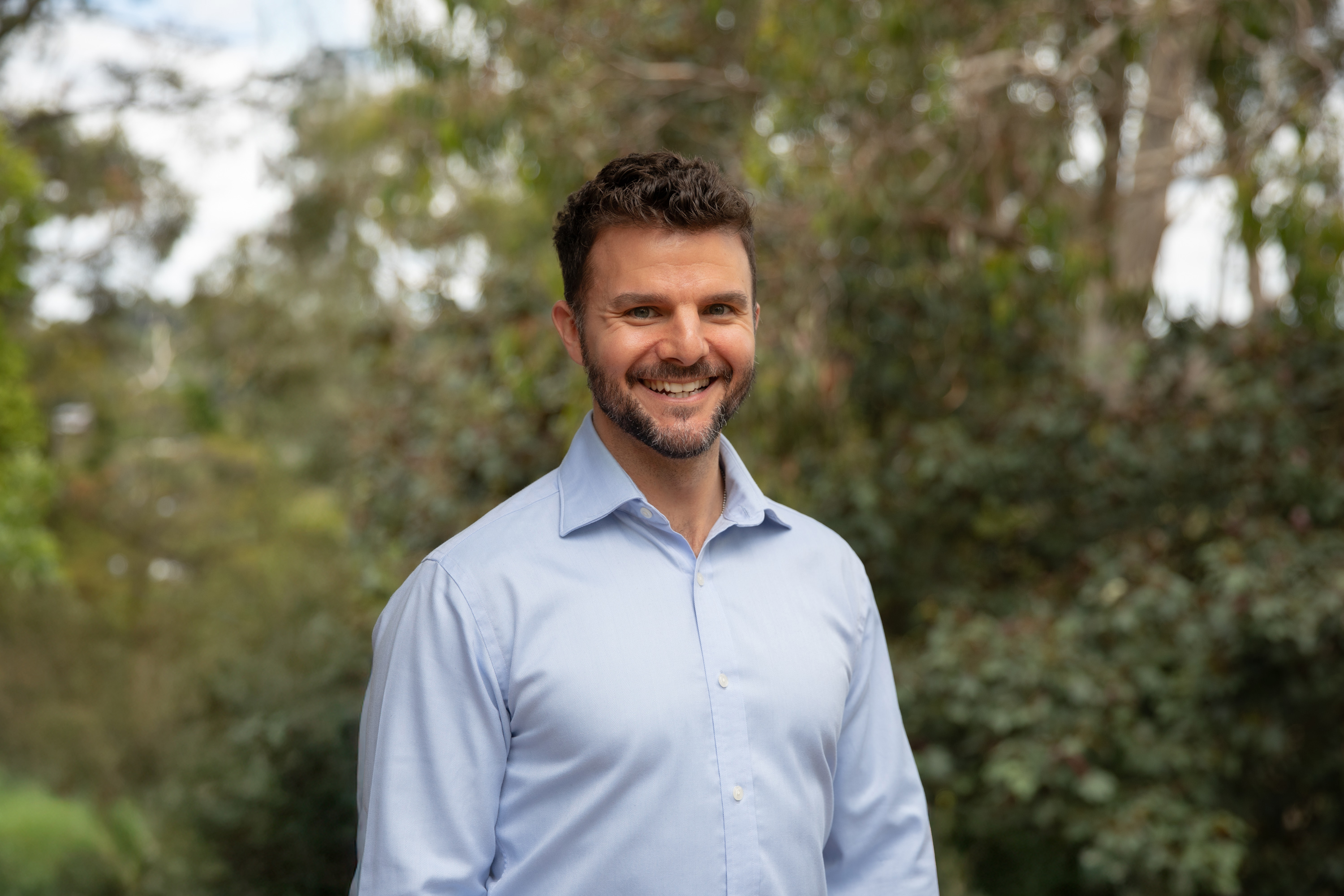
Sean draws on over 20 years professional experience in high performance, safety-critical industries when supporting clients through life’s challenges.
His approach focuses on helping others rebuild their own foundations and navigate successfully towards meaningful progress.