
This blog navigates…
Why does everyone seem so angry lately?
Mostly because people have less give than they used to, not because they’ve become worse people. Five years of bracing for an endpoint that kept moving, followed by cost of living, insecure work and a news cycle that never resolves, has left a lot of people functioning with nothing spare. Someone with margin lets you into the lane. Someone with none of it leans on the horn. The behaviour is the symptom, not the cause.
Despite the significance of the cold and flu season over the last few years, it’s been a long time since I’ve seen anyone wearing a face mask in Melbourne. From the general public to medical professionals themselves, it’s like they were never a thing.
But we all know they very much were.
I’m not surprised. I don’t blame anyone. I was there in March 2020.
But the reactions from more than a few people when I walked into a local hospital wearing one recently weren’t imagined. They said so much more than words.
We’re still living with scars.
The thing about scar tissue…
It heals. It holds. Under normal load you’d never know it was there.
It just doesn’t stretch like the rest of you does.
Ask anyone who has come back from a serious injury. The repair works. It’s strong enough. But the give has gone out of it, and you find that out the day you ask it to do something it used to do without thinking.
That’s where a lot of us are living now. Healed enough to function. Not much stretch left.
What less give looks like
It looks like the driving behavior many of us have experienced. Everyone in this city has noticed it and nobody can quite explain it. The tailgating, the horns, the risks people take for thirty seconds they’ve decided they can’t spare.
It looks like people turning up to work coughing through the worst flu season in years, sitting through meetings they could have taken from the couch.
It looks like a waiting room full of people who won’t cover a cough, and a couple of them looking at a stranger in a mask like he’s the problem.
My first reaction in that room wasn’t generous either. I sat there quietly building a case about other people. What’s wrong with everyone? When did this happen? I’ve had enough practice at that particular habit to recognise it when it starts.
Then the other part of my brain caught up.
Because none of that is evidence that people have become worse people.
Someone with sick leave and a mortgage they can service stays home. Someone with neither turns up sick, and they aren’t being selfish, they’re being rational. They’re doing exactly what their circumstances allow.
Someone with margin lets you into the lane. Someone with none of it leans on the horn.
And someone who spent 2020 and 2021 in the most locked-down city on earth doesn’t look at a mask and think about public health. They look at it and something in the body remembers a period they’ve spent every day since trying to leave behind.
Less give. That’s all of it.
The endpoint never came
I wrote about lockdown while I was still in it, in September 2020, mostly because I needed somewhere to put it. Reading it back now, one line does more work than the rest.
> *The cruellest aspect of this whole situation from the very beginning
> has been the lack of an end point.*
That was the thing that did the damage. Not the five kilometre radius, not the hour outside, not even the isolation, brutal as all of it was. It was that the finish line kept moving. We were handed hope and had it taken back. We were given a date and watched it shift. So we did the only thing available and hung on, one day at a time, telling ourselves we could get through anything as long as it eventually ended.
Then it ended, and it didn’t.
It changed shape. Interest rates, rent, the price of a shop that used to cost half as much, insecure work, a housing market that has locked a generation out, and a news cycle from three different parts of the world that resolves into nothing at all. Different content, same open loop. No date on the calendar where any of it’s over.
Five years of bracing for a finish line that never turned up. That’s what the nervous system has been doing. Of course we’re flat.
What people are actually bringing into the room
I won’t speak about individuals, but the patterns are consistent enough to name.
How hard everything is now. Not one crisis, just the sheer weight of ordinary life.
No capacity. Nothing left over at the end of the day for the people who deserve the best of them.
Tired in a way that sleep doesn’t fix.
No time. The pace of it. The sense of being permanently behind.
Burnt out on a job they used to be fine with, in a life that looks alright from the outside.
And underneath a lot of it, disenfranchisement. A quiet suspicion that the effort no longer connects to the outcome. That the deal changed and nobody mentioned it.
If any of that landed, you’re not soft and you’re not failing. You’ve been operating with no stretch left for five years and calling it normal.
Scar tissue can be worked
Here’s where I’ve to be honest with you, because the reframe only goes so far.
You can’t fix the economy. You can’t slow the news down. You can’t decide what the driver behind you does with their indicator, and you can’t make anyone stay home when they’re sick.
What you can do is work on the give.
I’ve written elsewhere about the hand injury, the surgeon who told me I’d likely never do a push up again, and what happened forty five weeks later. When someone tells you “never”
The part that matters here isn’t the outcome. It’s how boring the work was. Months of small, unglamorous, repetitive effort that looked like nothing from the outside. And the scar never went anywhere. It’s still there. It just got some stretch back, because I gave it a reason to.
Capacity works the same way. You rebuild margin on purpose, in increments so small they feel pointless. Fifteen minutes that belongs to nobody else. A walk without the phone. Leaving ten minutes earlier so the traffic doesn’t own you. Saying no to one thing this week that you’d normally absorb.
Looks like nothing. It’s the difference between coping and cracking.
And when someone cuts you off, or coughs through the tram, or looks at you like you’ve personally offended them, you get to decide what you make it mean. Not because they’re right. Because carrying it costs you the little bit of stretch you’ve got.
Simple, not easy. But it’s yours, and very little about the last five years has been.
Pick one thing this week and put it in the diary like it matters. Because it does.
If life has become more than you can carry on your own, talking to someone helps, and it doesn’t have to be a professional. It can be anyone you trust. If you need support now, Lifeline is available 24 hours a day on 13 11 14. In an emergency, call 000.
Do the work
- Stop reading other people’s behaviour as character. Someone with sick leave and a manageable mortgage stays home. Someone with neither turns up coughing. That’s circumstance doing the work, not personality.
- Put one thing back into the week with no productive justification. Fifteen minutes that belongs to nobody else. It will feel too small to matter, which is exactly why it gets skipped.
- Leave ten minutes earlier. The cheapest margin available and the one most people refuse on principle.
- Say no to one thing you’d normally absorb. Absorbing is a habit, and habits are how capacity disappears without anyone noticing.
- Decide what you make it mean. When somebody cuts you off or looks at you like you’ve personally offended them, carrying it costs you the small amount of stretch you’ve.
This week: pick one thing and put it in the diary like it matters, because it does.
Frequently asked questions
Why does everyone seem so on edge lately?
Because a lot of people are operating with no margin. Under normal load you’d never notice. It shows up the moment something unexpected arrives, which is when the give would normally have absorbed it.
Is this just people becoming ruder?
Very rarely. Almost all of it’s circumstance. Someone with sick leave and a manageable mortgage stays home when they’re unwell. Someone with neither turns up, and that’s a rational response to their situation rather than a selfish one.
What actually did the damage during the lockdowns?
Not the restrictions themselves. The absence of an endpoint. The finish line kept moving, hope was handed over and taken back, and people held on one day at a time on the understanding that it would eventually finish.
Why has it not settled now that it is over?
Because it changed shape rather than ended. Interest rates, rent, insecure work, a housing market that has locked a generation out, and a news cycle that resolves into nothing. Different content, same open loop, no date on the calendar.
How do you rebuild capacity?
Deliberately, and in increments so small they feel pointless. Margin is built rather than found. It looks like nothing from the outside, which is why most people skip it and why it works.
When is this more than a capacity problem?
If the fatigue doesn’t respond to rest at all, if it has been constant for weeks rather than turning up on bad days, or if it’s affecting your work or your relationships, that’s worth a conversation with a GP.
Where to start
If life has become more than you can carry on your own, talking to someone helps, and it doesn’t have to be a professional. It can be anyone you trust. If you’d like it to be a professional, I offer a free introductory call. No cost, no pressure, no obligation. Click the banner above or get in touch on 0422967392.
Related reading
About the author
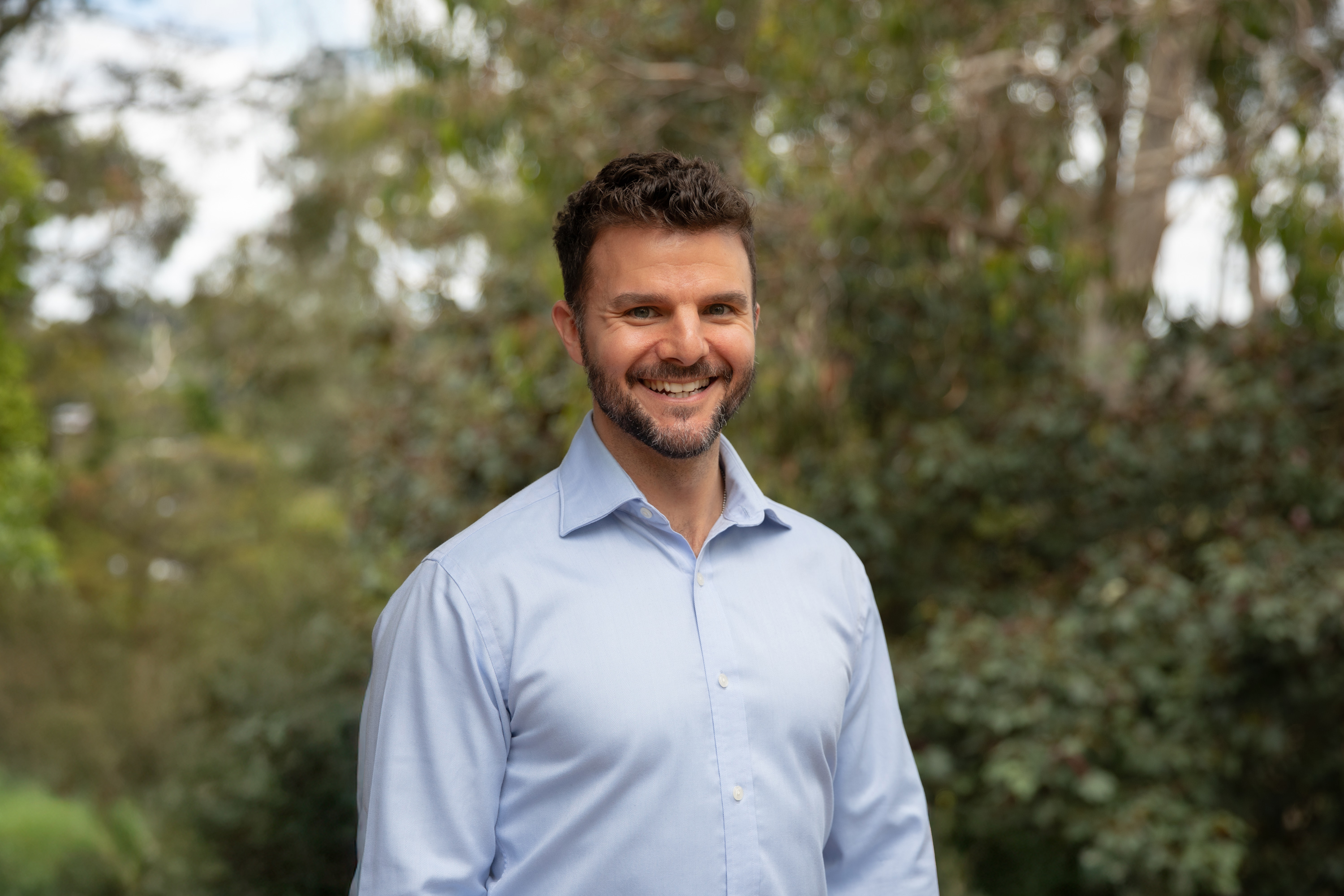
Sean draws on over 20 years professional experience in high performance, safety-critical industries when supporting clients through life’s challenges.
His approach focuses on helping others rebuild their own foundations and navigate successfully towards meaningful progress.